
 150,000 meals
 3,009 supporters
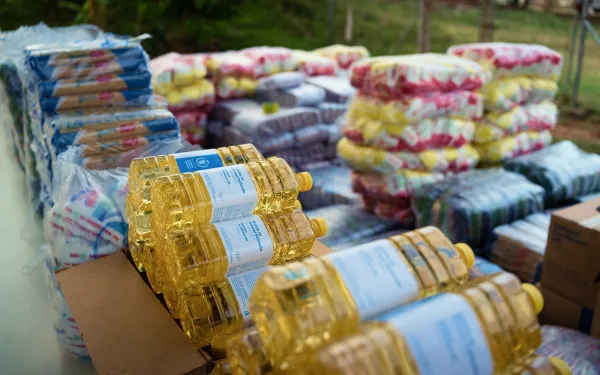
What’s inside a typical WFP food basket

Rice or flour
A staple item in many countries and vital source of daily energy.

Vegetable oil
Rich in essential fats and vitamins, supporting a healthy immune system.

Lentils or beans
Plant-based protein and fibre, helping maintain a healthy heart and gut.

Salt
Supports a healthy pregnancy and helps child development.
The food basket is based on local food preferences and diets wherever possible so the items could vary.
Thousands of families are facing the impacts of unstable weather that puts their food security and livelihoods at risk. WFP and OCHA are responding with assistance in 333 communities, reaching 45,000 families.
Overview
Shared meals will strengthen school feeding in Guatemala by supporting improvements in school kitchens and gardens, nutrition training and links with local food systems.
In Guatemala, nearly half the population cannot afford the cost of a basic food basket. The country faces some of the highest levels of child malnutrition in the world, with 42 percent of children under five affected by stunting, the highest rate in Latin America and the Caribbean. For many children, school meals are one of the most effective ways to improve their health, nutrition and learning outcomes. The World Food Programme (WFP) supports Guatemala's Home-Grown School Feeding Programme, helping provide safe and nutritious school meals while strengthening local food systems. Together with Parent Organisations, smallholder farmers and community volunteers, WFP strengthens school infrastructure and provides training in nutrition, food safety and meal planning. Together, these efforts are helping advance Guatemala's vision for effective school feeding, where schools can prepare locally sourced food safely and with dignity.
Location
 Guatemala


